Climate Controls
Showing - of Products
No Products
Climate Controls
Showing - of Products
No Products
/
Advanced Greenhouse Control Systems for Modern Growers
In today’s competitive controlled environment agriculture (CEA) landscape, greenhouse control systems are no longer optional — they are essential tools that transform how professional growers manage climate, irrigation, energy, and crop health. Control systems are the backbone of successful horticulture operations, enabling growers to optimize every facet of plant production while minimizing risk, labor, and resource waste.
What Are Greenhouse Control Systems?
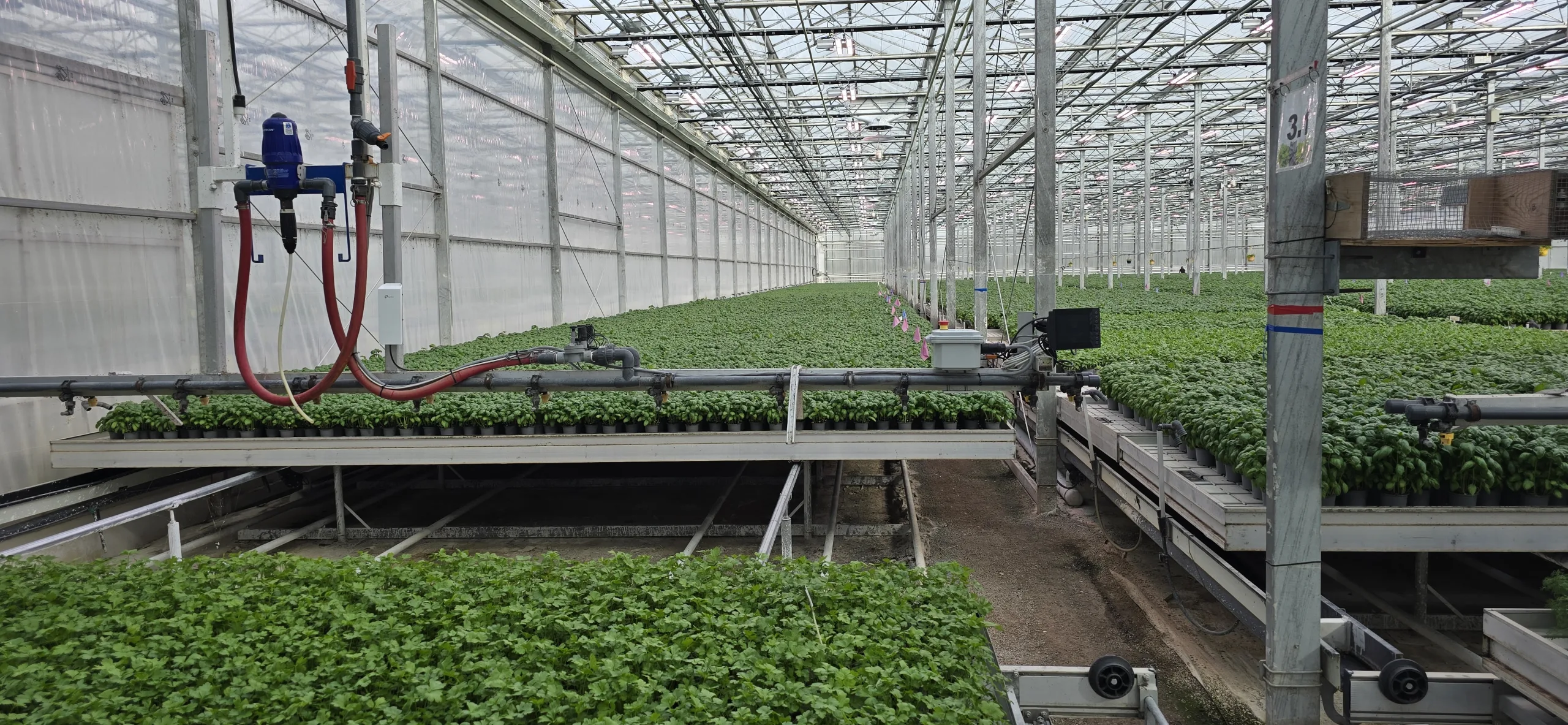
Greenhouse control systems are integrated automation solutions that monitor and regulate environmental conditions inside a greenhouse or indoor growing facility. These systems use networks of sensors, process computers, and intelligent software to maintain ideal parameters for temperature, humidity, CO₂ levels, irrigation timing, and lighting — all critical elements that directly impact plant growth, yield, and quality.
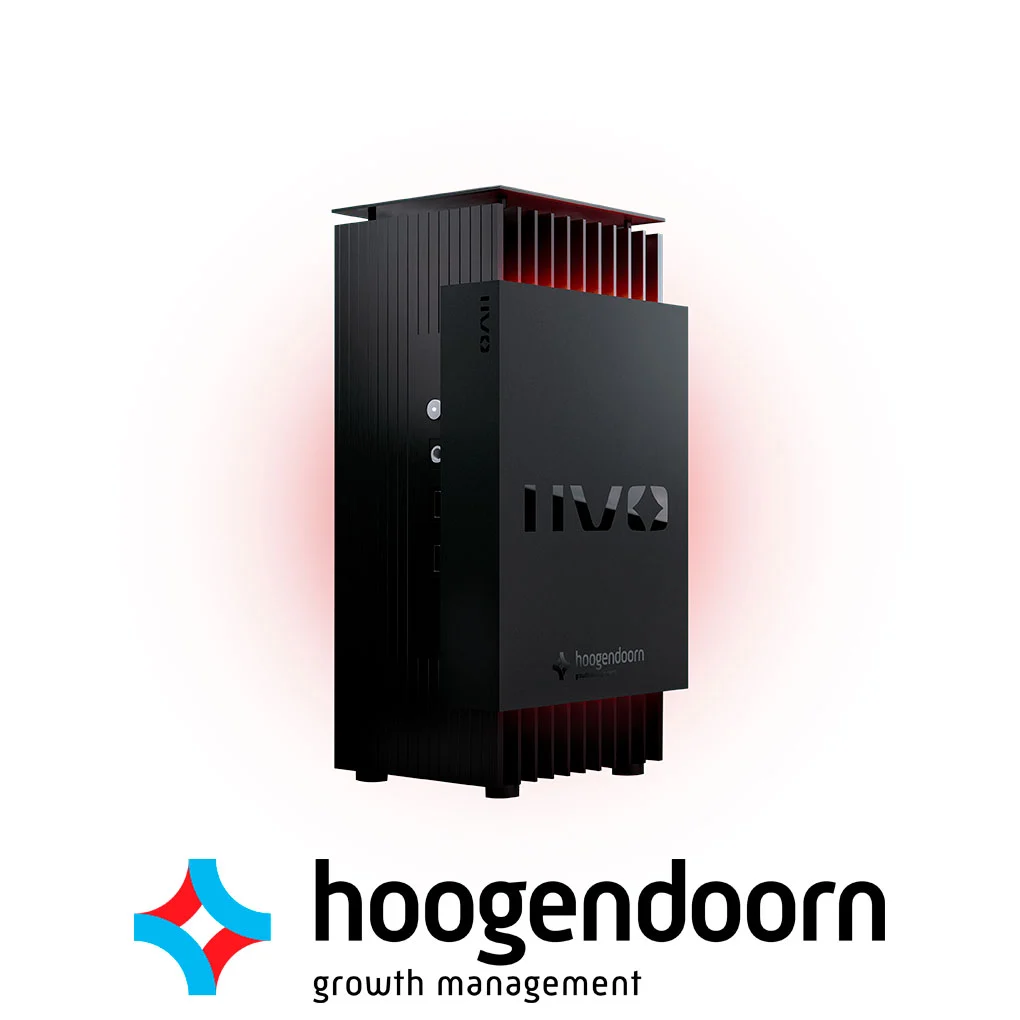
Smart automation platforms from leading providers like Priva and Hoogendoorn empower growers with precise environmental control, data-driven insights, and remote accessibility, making your growing environment responsive to both plant needs and external climate conditions.
Why Growers Need Control Systems
1. Maximize Yield and Quality
Control systems create repeatable, stable growing conditions, significantly enhancing crop performance. By constantly adjusting climate variables based on real-time data, these solutions help growers avoid stress factors that stunt growth or reduce quality. Whether you’re producing leafy greens, flowers, vegetables, or ornamental crops, precise control translates to more uniform, higher-quality harvests and greater market value.
2. Optimize Resource Use
Water, energy, and nutrient inputs are among a greenhouse’s largest operating expenses. Automated systems intelligently balance these inputs by aligning irrigation and climate settings with actual plant needs — not guesswork. Conserving water and reducing energy consumption not only improves sustainability but also boosts your bottom line through lower operational costs.
3. Reduce Labor and Human Error
Manual monitoring and adjustment of greenhouse conditions is labor-intensive and prone to variability. Automation streamlines operations, freeing your team to focus on high-value tasks like crop management and business planning. With remote monitoring and control capabilities, growers can adjust settings from anywhere — even off-site — saving time and improving responsiveness.
4. Mitigate Climate Risks
Weather extremes and seasonal swings can disrupt unregulated greenhouse environments. Advanced control systems provide year-round climate stability that helps greenhouse operations stay on schedule regardless of outdoor conditions. This stability is crucial for meeting supply commitments and reducing crop loss due to temperature or humidity spikes.
5. Enable Data-Driven Decisions
Modern control platforms collect, archive, and analyze environmental and crop data at an unprecedented scale. Growers can leverage this information to fine-tune cultivation strategies, benchmark performance, and predict outcomes with greater confidence. Data insights drive continuous improvement and help future-proof your cultivation business.
Control systems transform greenhouse operations into efficient, predictable, and profitable enterprises. Explore our Control Systems category to discover how automated environmental management can unlock your greenhouse’s full potential.
Custom Solutions for your Operations
Connect with our experts to explore horticulture solutions that drive efficiency and sustainability.